
Body screen
Mobility, stability and strength testing head to toe — hips, thoracic spine, shoulders, ankles, grip.
Golf performance
Every golfer has a physical profile. Ours is a simple promise: find the limitation, treat it, then train the pattern until it holds up over 18 holes.
The body–swing connection
Most swing characteristics have a physical cause. Coaching the move without addressing the restriction is why the same fault keeps coming back. Here's how common faults map to what we test.
How it works
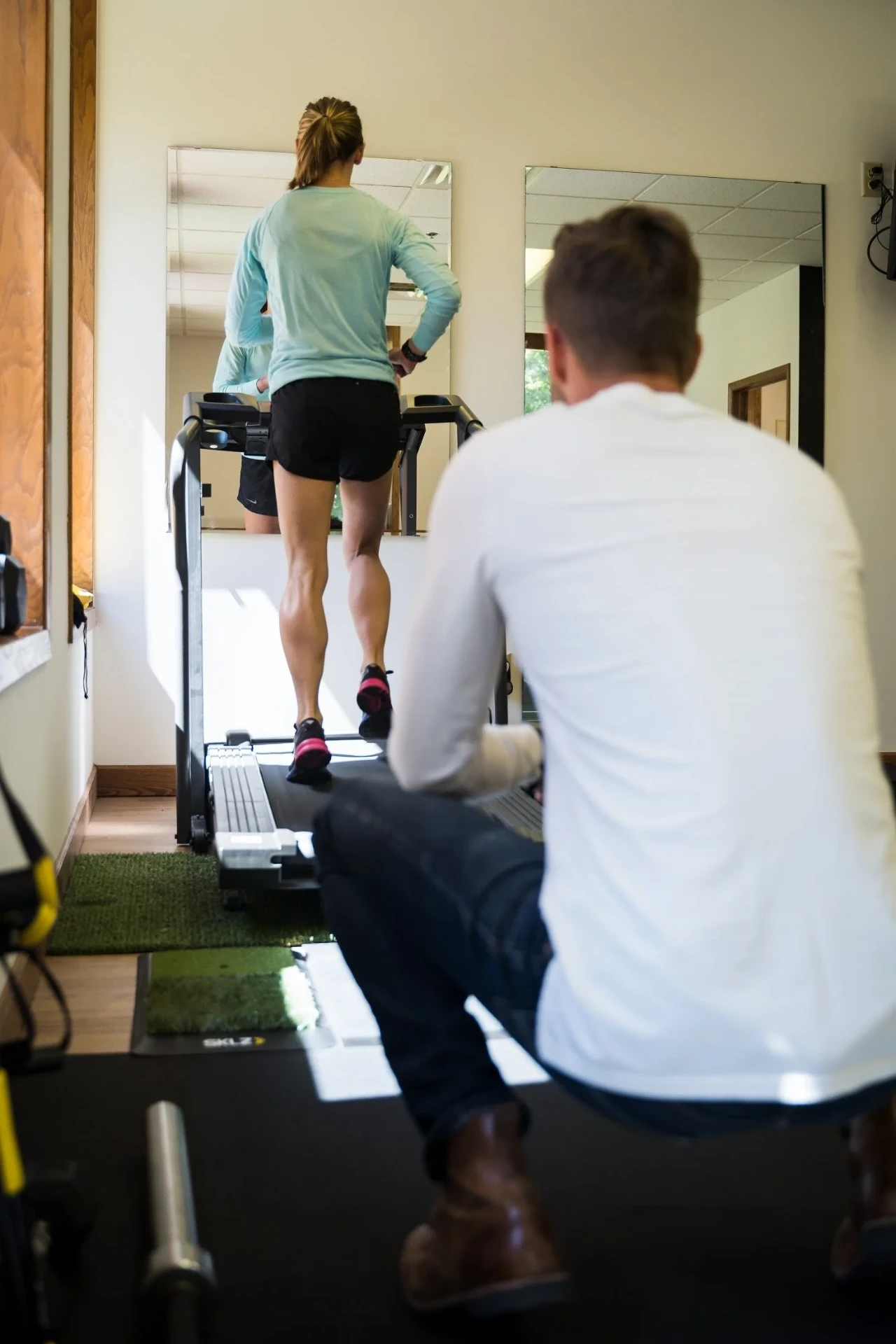
Mobility, stability and strength testing head to toe — hips, thoracic spine, shoulders, ankles, grip.
We watch your swing on video and connect what your body does to what the club does.
Manual therapy and corrective exercise aimed at the one or two limitations driving the pattern.
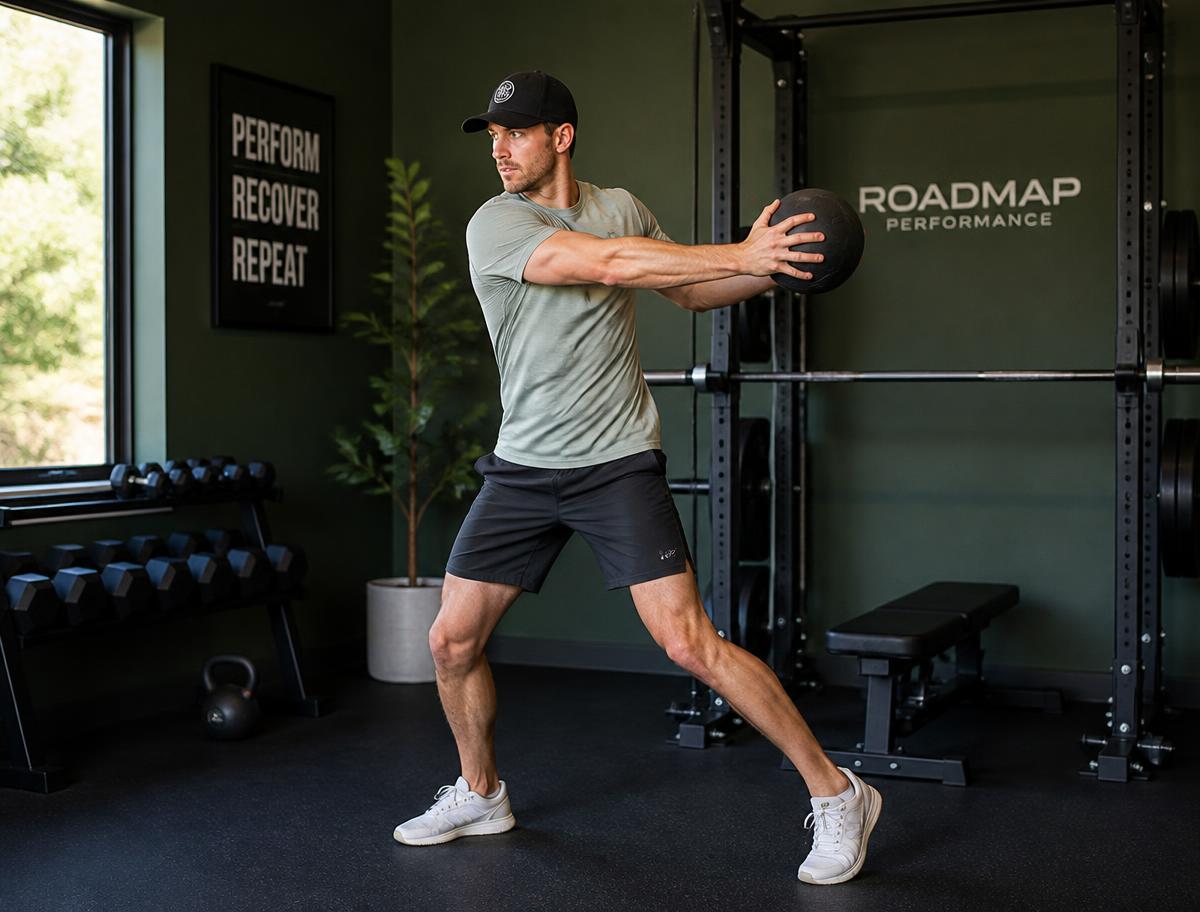
Progressive rotational strength and speed work so new range turns into clubhead speed.
Who it's for
Explore the programs
A TPI-style movement screen — scored testing of hips, spine, shoulders and wrists with a written plan.
Learn more →Slow-motion video review that traces early extension, sway and casting back to a physical cause.
Learn more →A four-phase strength, mobility and rotational power program for speed that lasts the season.
Learn more →Next step
Book a golf movement screen in Winthrop and leave knowing what to work on and why.